
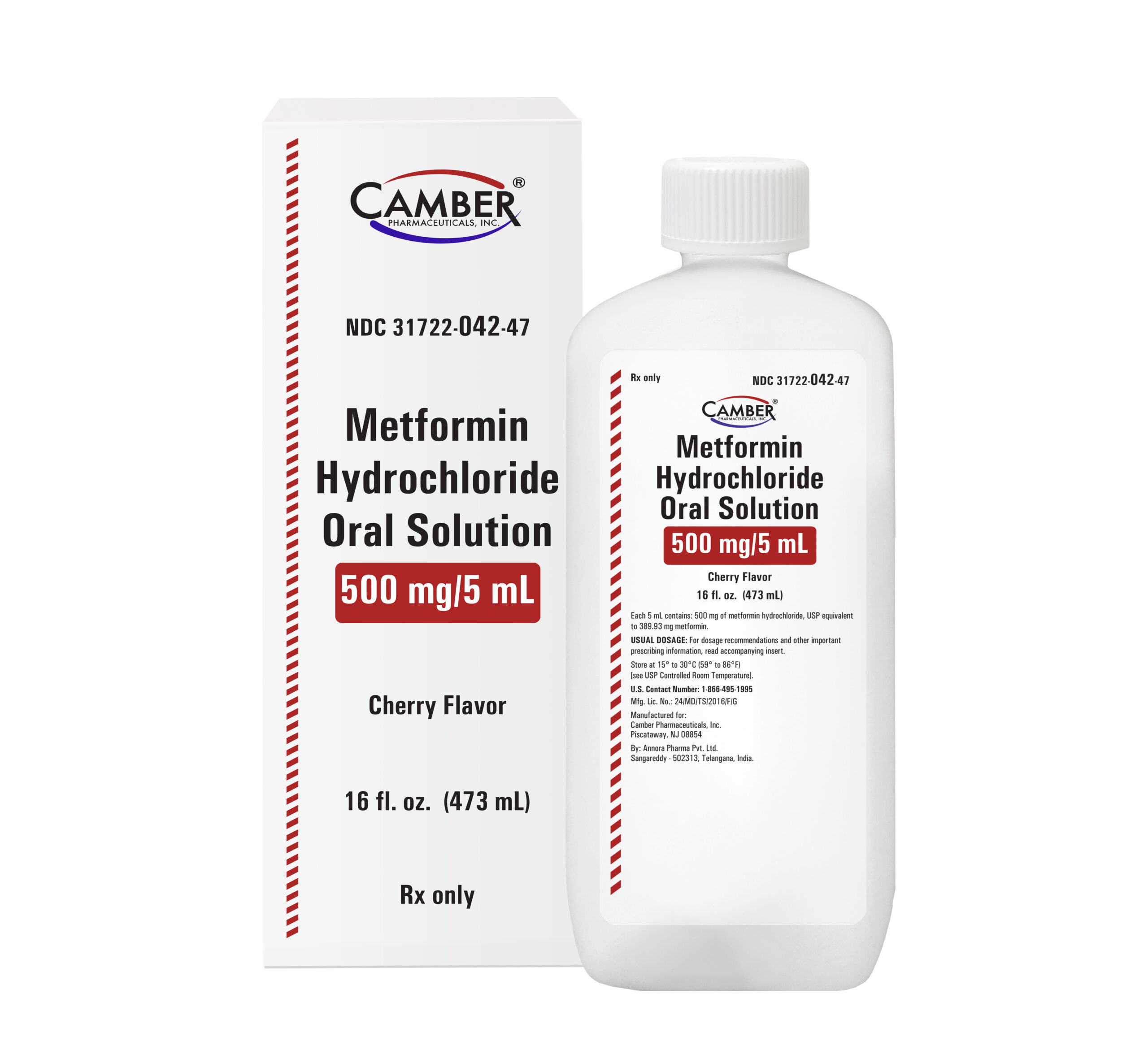
Buy Metformin Online


Price range: $35.00 through $65.00
Metformin is a first-line prescription oral medication used to manage blood sugar levels in people with type 2 diabetes.
Metformin is a first-line prescription oral medication used to manage blood sugar levels in people with type 2 diabetes.
What Metformin Does
- Lowers blood sugar: It reduces the amount of glucose (sugar) released by your liver.
- Improves sensitivity: It helps your muscle and fat cells use insulin more effectively.
- Slows absorption: It decreases how much sugar your gut absorbs from food.
- Off-label uses: Doctors sometimes prescribe it for polycystic ovary syndrome (PCOS) or prediabetes.
How to Take It
- Take with food: Always take metformin with a meal to prevent stomach upset, nausea, and diarrhea.
- Start low: Doctors usually start you on a low dose (like 500 mg) and increase it slowly over several weeks.
- Swallow whole: Swallow regular or extended-release tablets whole with water. Do not crush or chew them.
Side Effects and Risks
- Common stomach issues: Nausea, gas, cramping, and loose stools are very common when starting out or raising the dose. These often improve over a few weeks.
- Vitamin B12 drop: Long-term use can lower vitamin B12 levels, which can lead to fatigue or nerve tingling. Ask your doctor to check your levels.
- Lactic acidosis: This is a rare, serious buildup of acid in the blood. It is mainly a risk for people with severe kidney or liver problems, heavy alcohol use, or during certain medical scans with contrast dye.
If you’re taking or considering this medication, let me know:
- Are you taking it for type 2 diabetes or PCOS?
- Are you experiencing any side effects?
| MG | 500mg 60 tablets, 500mg 90 tablets, 850mg 60 tablets, 1000mg 180 tablets |
|---|---|
| Cat. No | Metformin |
Be the first to review “Buy Metformin Online”
Related products
Steroid and Sarms tablets
Price range: $35.00 through $65.00
This product has multiple variants. The options may be chosen on the product page
Steroid and Sarms tablets
Price range: $150.00 through $350.00
This product has multiple variants. The options may be chosen on the product page

Steroid and Sarms tablets
Price range: $35.00 through $55.00
This product has multiple variants. The options may be chosen on the product page

Steroid and Sarms tablets
Price range: $35.00 through $75.00
This product has multiple variants. The options may be chosen on the product page
Steroid and Sarms tablets
Price range: $35.00 through $65.00
This product has multiple variants. The options may be chosen on the product page
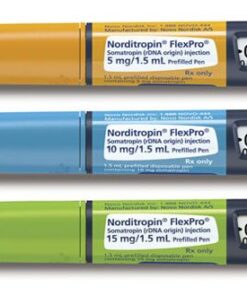
Steroid and Sarms tablets
Price range: $150.00 through $450.00
This product has multiple variants. The options may be chosen on the product page
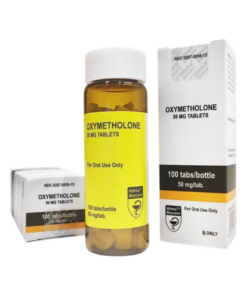
Steroid and Sarms tablets
Price range: $35.00 through $65.00
This product has multiple variants. The options may be chosen on the product page
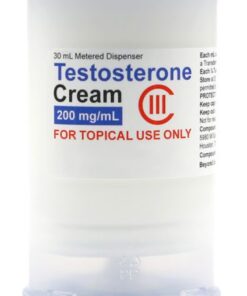
Steroid and Sarms tablets
Price range: $35.00 through $105.00
This product has multiple variants. The options may be chosen on the product page
Reviews
There are no reviews yet.